WeChat official account
News
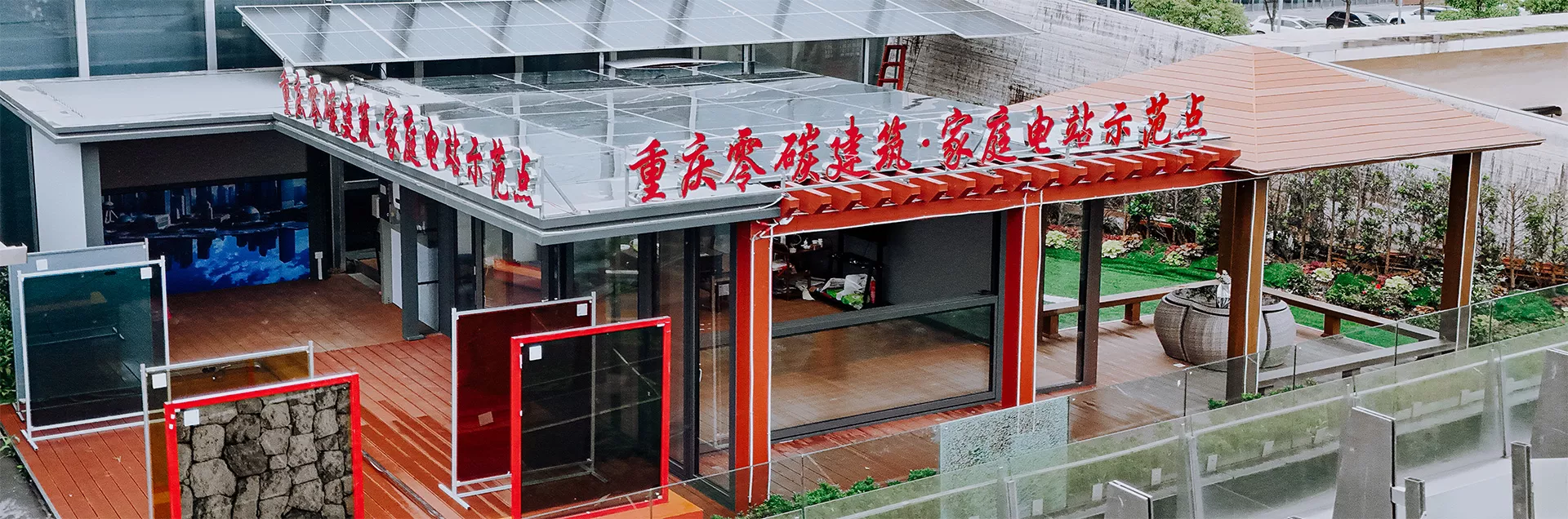
On August 17, the 17th Session of the Conference of the Parties to the United Nations Convention to Combat Desertification (UNCCD COP17) opened in Ulaanbaatar, capital of Mongolia. Representatives from 197 contracting parties, relevant UN agencies, international organisations, research institutions and enterprises gathered in the grassland capital for a two‑week global consultation on land governance under the theme “Restore Land, Sustain Hope”. During the conference, cadmium‑telluride power‑generating glass manufactured by Zhonghui Jianrun (Chongqing) Technology Co., Ltd. was successfully applied in official supporting projects of COP17, acting as a “Made‑in‑China, Intellectually‑created” green showcase at this major international environmental event.

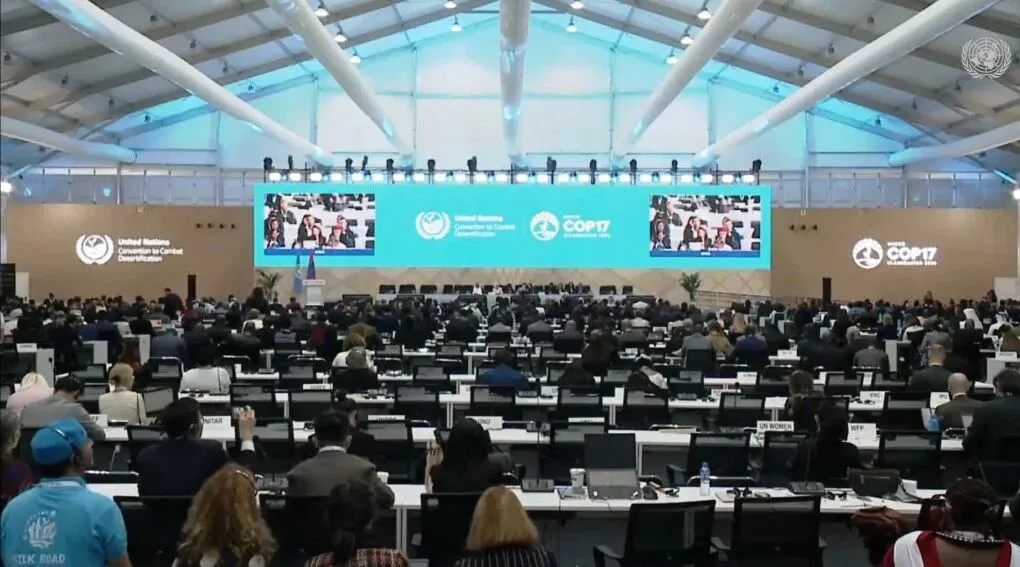 This marks the first time the UNCCD Conference of the Parties has been hosted in Mongolia. Mongolian Prime Minister Luvsannamsrain Oyun‑Erdene and UNCCD Executive Secretary Yasmine Fouad attended and addressed the opening ceremony. Ms. Fouad stated that land degradation and drought are no longer remote environmental concerns, and healthy land underpins healthy food systems, resilient economies and stable societies. COP17 must focus on implementation. She announced the launch of the Riyadh‑Ulaanbaatar Action Agenda to accelerate degraded land restoration and drought management. The year 2026 is designated by the United Nations as the International Year of Rangelands and Pastoralists. High‑level meetings will hold ministerial‑level dialogues covering innovative financing, drought resilience, grassland restoration and pastoral well‑being.
 The Chinese Government Delegation took part in COP17 and joined high‑level dialogues on financing, drought resistance and grassland conservation. China proposed establishing an “International Day of Rangelands” to translate outcomes of the International Year of Rangelands and Pastoralists into long‑term actions and deepen global cooperation on grassland protection and restoration. The China Pavilion featured the theme “Restore Land, Sustain Hope — China’s Wisdom and Commitment in Combating Desertification”, showcasing innovative practices delivered in the first three years of the Three‑North Shelterbelt Project initiative, and hosted nearly 20 thematic side events. China has achieved a dual reduction in desertified and sandified land areas, becoming the first country worldwide to realise “zero net growth” in land degradation. Around 53% of treatable sandified land has been rehabilitated, and China contributed approximately 25% of the world’s newly‑added green coverage over the past five years.

Two building‑integrated photovoltaic (BIPV) low‑carbon public sanitary facilities located within Ulaanbaatar National Amusement Park were officially commissioned prior to the conference as official supporting infrastructure. Sandag‑Ochir, Minister of Environment and Climate Change of Mongolia, visited the site and spoke highly of the project. This is Mongolia’s first BIPV low‑carbon public sanitary facility, whose exterior facade fully adopts BIPV cadmium‑telluride (CdTe) thin‑film power‑generating glass supplied by Zhonghui Jianrun. The building envelope itself functions as a power station. On‑site power generation for self‑consumption, combined with an energy‑storage system, supplies green electricity for interior lighting and enables zero‑carbon operation. Thanks to the excellent low‑light‑response performance of CdTe thin‑film technology, the modules maintain high‑efficiency power output under Ulaanbaatar’s variable weather conditions, fully aligning with the conference’s core goals of carbon reduction and climate action. Capable of accommodating up to 80 visitors simultaneously, the two facilities are connected to the central urban pipeline network. During COP17, the stable, low‑carbon performance of the facilities drew wide recognition from conference participants, bringing in numerous enquiries and cooperation proposals. After the conference concludes, the buildings will be handed over to the citizens of Ulaanbaatar as a lasting “green legacy” for long‑term free public use.

The BIPV CdTe curtain‑wall construction was implemented by BIB Discovery Sustainable Energy Tech LLC, the official Mongolian distributor, who also served as a special sponsor for the conference organiser, the Ministry of Environment and Climate Change of Mongolia. As the technology provider and product supplier, Zhonghui Jianrun worked alongside its local partner to deliver the project from conceptual demonstration to real‑world completion.


Travelling from Chongqing all the way to Ulaanbaatar, Zhonghui Jianrun brings its “power‑generating glass” to global land‑restoration and low‑carbon initiatives. Moving forward, the company will continue integrating clean‑energy technologies into urban and public infrastructure, delivering practical, accessible solutions to advance global sustainable‑development goals.